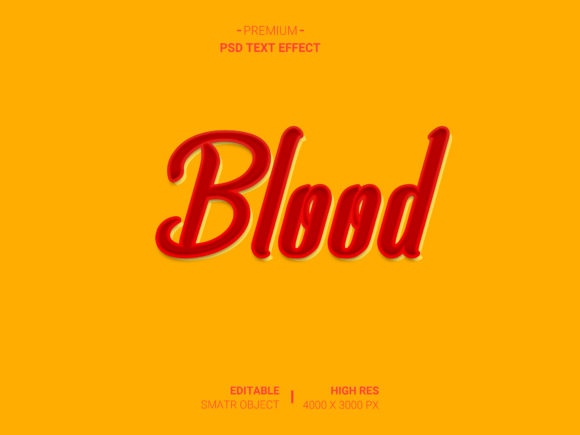
Mastering the Blood 3D Text Effect for Impactful Visuals
In the fast-paced world of digital content, capturing attention within the first few seconds is paramount. Whether you are designing a horror movie poster, creating a gritty promotional banner, or simply adding a dramatic flair to a social media campaign, standard fonts often fall short. This is where specialized design elements come into play, specifically the Blood 3D Text Effect. This tool transforms ordinary typography into visceral, three-dimensional artwork that evokes emotion and commands respect. It is not merely about making text look "cool"; it is about leveraging visual psychology to create an immediate, unforgettable impression.
Understanding the Core Concept
The concept behind the Blood 3D Text Effect goes beyond simple coloring. It involves simulating depth, texture, and fluid dynamics to make text appear as if it is dripping, splattered, or carved from raw material. The goal is realism. When executed correctly, the viewer should feel a sense of weight and tangibility in the letters. This effect utilizes advanced rendering techniques to mimic how light interacts with wet, viscous substances, creating highlights and shadows that give the illusion of physical presence on a flat screen.
For professionals and creators, this effect serves as a powerful storytelling device. It can instantly set a tone of danger, urgency, or intense passion. However, its utility extends far beyond the horror genre. Business owners might use it for limited-time offers with high stakes, while gamers utilize it for clan tags and tournament graphics. The versatility lies in the ability to adapt the intensity of the effect to match the specific narrative needs of the project.
Why Realism Matters in Modern Design
In an era where users scroll past thousands of images daily, generic designs are easily ignored. A realistic presentation of your designs ensures that they stand out in a crowded feed. The Blood 3D Text Effect achieves this by introducing organic imperfections that our brains recognize as real. Smooth, perfect gradients often look artificial, whereas the slight irregularities found in blood-like textures signal authenticity. This authenticity builds trust and engagement, encouraging the audience to stop scrolling and read the message.
Furthermore, high-resolution rendering is non-negotiable when aiming for realism. Blurry edges or pixelated textures break the immersion immediately. By utilizing tools that offer high-definition outputs, designers ensure that whether the image is viewed on a mobile phone or a massive billboard, the quality remains crisp and professional.
Key Features That Drive Efficiency
One of the most significant barriers to entry for complex 3D effects is the steep learning curve associated with software like Photoshop or Blender. Not every business owner or content creator has hours to spend mastering layer blending modes and lighting engines. This is where the efficiency of modern design templates becomes invaluable. The specific solution we are discussing addresses these pain points through several critical features designed for ease of use.
- Smart Object Replacement: This is perhaps the most transformative feature. Instead of manually adjusting hundreds of layers to change the text, users can simply double-click on the designated smart object within the PSD file. Pasting their own design or text inside and saving the file automatically updates the entire 3D effect. This streamlines the workflow, reducing tasks that used to take hours into mere minutes.
- No Skill Requirement: The interface is built to be intuitive. You do not need to understand the technical intricacies of vector paths or alpha channels. The structure is pre-built, allowing anyone with basic computer literacy to produce professional-grade results.
- Fully Layered Organization: Good design files are well-organized. This template features folders that group related elements logically. If you wish to adjust the color of the liquid, the shadow, or the background separately, the layers are clearly labeled and accessible. This flexibility allows for customization without breaking the core effect.
- High Resolution Output: The source files are created at resolutions sufficient for both web display and print production. This ensures that the final product looks sharp regardless of the medium.
The Practical Application of Smart Objects
To truly appreciate the value of the Blood 3D Text Effect, one must understand the mechanics of the smart object workflow. In traditional design, changing the text might require rebuilding the entire 3D structure. With smart objects, the heavy lifting is done once. The template acts as a dynamic container. When you paste your content, the software recalculates the lighting and depth based on the new shape. This means that a designer can test multiple headlines, slogans, or names rapidly without losing the integrity of the artistic effect.
Real-World Scenarios and Applications
While the name suggests a niche use case, the applications for this effect are surprisingly broad. Let us explore how different sectors leverage this technology to achieve their goals.
- Entertainment and Gaming: For game developers and streamers, branding is everything. A logo featuring a Blood 3D Text Effect can instantly communicate the genre of a game or the intensity of a streaming channel. It creates a cohesive visual identity that resonates with the target audience.
- Event Marketing: Concert posters, especially for rock, metal, or horror-themed events, rely heavily on atmospheric visuals. Using this effect for event titles adds a layer of excitement and anticipation that standard fonts cannot convey.
- Sales and Promotions: E-commerce businesses often use aggressive visual styles to highlight clearance sales or flash deals. A "50% OFF" sign rendered with a dripping, 3D texture can drive higher click-through rates by visually emphasizing the urgency of the offer.
- Social Media Campaigns: On platforms like Instagram and TikTok, visual impact is the currency of engagement. Posts that utilize unique, high-quality 3D text effects tend to garner more shares and comments because they break the monotony of standard graphic posts.
Evaluating Suitability for Your Project
Before implementing the Blood 3D Text Effect, it is essential to evaluate whether it aligns with your brand voice and project requirements. While powerful, the effect carries a strong emotional weight. It is generally unsuitable for contexts requiring a clean, corporate, or minimalist aesthetic, such as legal firm brochures or medical health apps. In these scenarios, the visceral nature of the effect could be perceived as unprofessional or alarming.
However, for projects where the goal is to evoke strong emotions, create a sense of drama, or highlight high-energy themes, this effect is unparalleled. The key is balance. Ensure that the text remains legible despite the heavy styling. If the effect obscures the message, the design fails its primary purpose. Always prioritize readability; the style should enhance the text, not hide it.
Maximizing Value Without Technical Expertise
The true power of this design asset lies in its democratization of high-end graphics. Historically, achieving a realistic 3D blood effect required years of training in digital art. Today, thanks to well-crafted templates, that barrier has been removed. Professionals can save time on repetitive tasks, focusing instead on strategy and creative direction. Meanwhile, small business owners and hobbyists can produce assets that rival those made by large agencies.
The organized folder structure mentioned earlier plays a crucial role here. Even if a user decides they want to tweak the color palette to match a specific brand guideline, the logical organization makes it easy to find the adjustment layers. This level of control empowers users to iterate quickly. They can experiment with different shades of red, alter the viscosity of the drip, or change the background lighting to see what works best for their specific context.
Considerations for Long-Term Use
When integrating these effects into a long-term marketing strategy, consistency is key. While the Blood 3D Text Effect is versatile, overusing it can lead to fatigue. It is most effective when used sparingly as a focal point. Consider using it for headlines, call-to-action buttons, or key logos, while keeping supporting text in a simpler font. This contrast ensures that the dramatic element retains its impact and does not become background noise.
Additionally, always verify the resolution requirements of your intended platform. While the source files are high-resolution, scaling them up too much after export can result in loss of detail. Exporting at the correct size for the web or print ensures that the crisp edges and realistic textures remain intact.
Conclusion
The Blood 3D Text Effect represents a fusion of artistic expression and practical utility. It offers a way to elevate visual communication, turning static words into dynamic experiences. By understanding its features, such as smart object replacement and high-resolution capabilities, users can harness its power without needing to be expert designers. Whether you are a gamer, a marketer, or a business owner looking to make a bold statement, this tool provides the means to create designs that are not only seen but felt. As digital landscapes continue to evolve, the ability to produce high-quality, realistic visuals will remain a critical skill, and tools like this make that skill accessible to everyone.