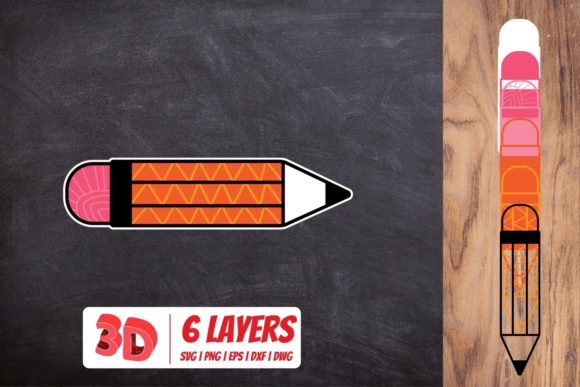
Understanding the 3D Pencil: A Comprehensive Guide to Digital Formats and Design Versatility
The concept of a 3D pencil has evolved significantly from simple physical drawing tools to complex digital assets that bridge the gap between two-dimensional design software and three-dimensional fabrication. For creators, hobbyists, and professional designers, the ability to visualize and produce objects that appear to have depth without requiring advanced 3D modeling skills is a game-changer. This guide explores the distinct nature of 3D pencil designs, specifically focusing on how versatile file formats like SVG, DXF, PNG, and EPS empower users across various platforms.
When evaluating digital resources for crafting projects, the distinction often lies not just in the visual appeal of the image but in the technical flexibility of the files provided. A high-quality 3D pencil design is more than a static picture; it is a functional blueprint. The inclusion of multiple formats within a single download package ensures that whether you are using a consumer-grade cutting machine or professional vector software, the design remains accessible and precise.
Distinguishing Features of the 3D Pencil Design
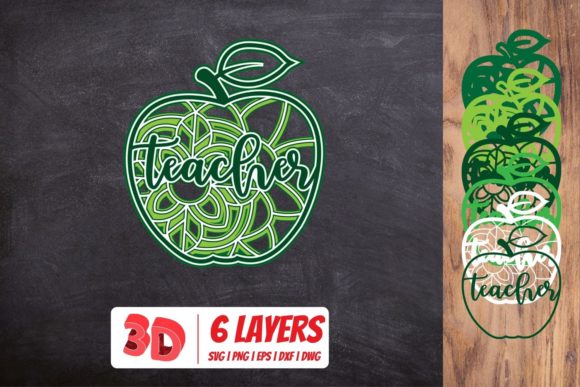
What makes a 3D pencil design distinct from standard clipart or flat illustrations is its reliance on layering and shading techniques that simulate volume. Unlike a basic line drawing, a true 3D representation utilizes gradients, shadows, and perspective lines to trick the eye into seeing depth. This characteristic is particularly valuable for crafters who wish to create layered paper art, decals, or signage where the illusion of dimension adds a premium feel to the final product.
The utility of this specific design extends beyond aesthetics. It serves as an excellent entry point for those exploring the capabilities of their machines without needing to master complex 3D modeling software. By providing a pre-rendered 3D look in a format that can be cut or printed, the 3D pencil offers a streamlined workflow. Users can focus on creativity and assembly rather than spending hours adjusting lighting and texture parameters in a 3D engine.
Format Flexibility: Why Multiple File Types Matter
In the world of digital crafting, compatibility is paramount. A design that works perfectly in one software suite may be unusable in another if the file format does not match. The availability of a comprehensive zipped folder containing SVG, DXF, PNG, and EPS formats addresses this common pain point. Each format serves a specific purpose, catering to different hardware and software ecosystems.
Scalability with SVG Files
The Scalable Vector Graphics (SVG) format is arguably the most versatile option for modern crafting enthusiasts. Because SVGs are vector-based, they can be resized infinitely without losing quality, making them ideal for everything from small stickers to large wall murals. This format is the industry standard for direct integration with popular cutting machine software.
- Cricut Design Space: Users can import the SVG directly, allowing for easy manipulation of layers, colors, and sizes within the Cricut interface.
- Silhouette Studio Designer Edition: Offers advanced editing capabilities, enabling users to ungroup elements and modify individual parts of the 3D pencil design for custom projects.
- Make The Cut (MTC): Provides robust tools for creating complex cut paths from the vector data.
- Sure Cuts A Lot (SCAL): Known for its powerful features, SCAL allows for precise control over the cut settings derived from the SVG file.
- Brother ScanNCut Canvas: Enables seamless transfer of the design to Brother machines, maintaining the integrity of the 3D effect during the cutting process.
Compatibility with DXF for Basic Editions
For users operating with more budget-friendly equipment, such as the Silhouette Basic Edition, the DXF (Drawing Exchange Format) is essential. While SVG is often preferred for its ease of use in advanced editors, DXF provides a universal language that basic software versions can interpret reliably. This ensures that even users without access to premium software tiers can still utilize the detailed geometry of the 3D pencil design to create physical projects.
Professional Editing via EPS and Illustrator
Design professionals often require more granular control over their assets. The Encapsulated PostScript (EPS) format is the gold standard for compatibility with professional desktop publishing and illustration software. When imported into CorelDraw, Inkscape, or Adobe Illustrator, the EPS file retains all vector properties, allowing for extensive modification.
This capability is crucial for users who need to integrate the 3D pencil into larger brand identities, marketing materials, or complex layouts. Unlike raster images, the vector data in an EPS file means that every stroke and curve can be adjusted, ensuring the final output meets exact specifications regardless of the scale.
Print-Ready Quality with PNG
Not every project requires a cutting machine. Sometimes, the goal is simply to print a high-resolution image for posters, t-shirts, or digital displays. The Portable Network Graphics (PNG) file included in the download serves this specific need. With a resolution of 300 DPI, the PNG ensures crisp, clear prints suitable for professional quality reproduction.
A critical feature of this PNG is its transparent background. This allows the 3D pencil to be placed onto any colored substrate or digital canvas without unsightly white boxes surrounding the image. Whether printing on dark vinyl or overlaying the design on a website, the transparency ensures a clean, professional finish.
Evaluating Tradeoffs and Decision Factors
Selecting the right digital asset involves understanding the tradeoffs between convenience, cost, and technical requirements. The primary advantage of purchasing a multi-format bundle like the 3D pencil collection is efficiency. Instead of hunting for compatible files across different marketplaces, users receive a complete solution that covers almost every major software platform.
However, there are limitations to consider. While the 3D pencil design simulates depth visually, it does not contain actual 3D mesh data. If a user intends to perform CNC routing or 3D printing where physical depth is required for structural reasons, a vector file alone will not suffice. In such cases, the 3D pencil serves as a visual reference or a surface decal rather than a volumetric object. Understanding this distinction helps manage expectations regarding the final output.
Another factor is the learning curve associated with different software. While the files are ready to use, maximizing the potential of the SVG or EPS formats requires a baseline understanding of the host software. Beginners might find the raw DXF or PNG easier to implement immediately, whereas power users will appreciate the editable layers in the SVG and EPS files. The best choice depends entirely on the user's current skill level and the complexity of their intended project.
Best-Fit Situations for the 3D Pencil Asset
The 3D pencil design is particularly well-suited for educational materials, back-to-school decorations, and office organization. Its clean, geometric aesthetic fits seamlessly into minimalist design trends. For teachers, it can be used to create engaging classroom visuals or interactive learning aids. For small business owners, it offers a cost-effective way to produce branded merchandise, such as notebooks, mugs, or laptop decals, without investing in custom graphic design services.
Furthermore, the versatility of the formats makes it an excellent resource for hybrid workflows. A designer might use the SVG to cut vinyl lettering for a sign while simultaneously using the PNG to print a matching poster. This cross-platform functionality streamlines production, reducing the time spent converting files or recreating designs from scratch.
When to Consider Alternatives
While the 3D pencil bundle is highly adaptable, it may not be the optimal choice for every scenario. If a project demands photorealistic rendering or requires dynamic lighting effects that change based on viewing angle, a static vector or raster image will fall short. Similarly, for projects requiring true 3D structural integrity, such as architectural models or mechanical parts, dedicated CAD software and 3D printing files (like STL) are necessary.
Additionally, users with very limited storage space or older computers might prefer to purchase only the specific format they need, though the zipped nature of the download usually mitigates this concern. Ultimately, the decision comes down to the specific goals of the project. If the aim is to create a high-quality, dimensional-looking graphic for cutting or printing, the 3D pencil design offers a balanced and practical solution that bridges the gap between digital design and physical creation.
By offering a range of formats, this resource empowers users to choose the tool that best fits their workflow, ensuring that the creative vision remains intact from the screen to the final product. Whether utilizing the precision of Cricut Design Space or the robust editing capabilities of Adobe Illustrator, the 3D pencil stands out as a flexible and reliable asset for modern creators.