Red Light Neon Glass 3d Text Effect: A Comprehensive Evaluation
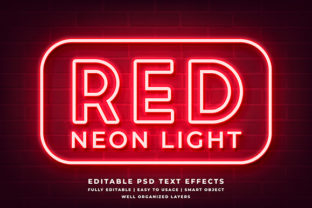
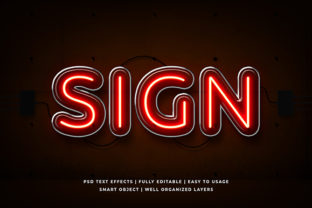
In the landscape of digital graphic design, visual hierarchy and atmospheric lighting play pivotal roles in capturing audience attention. Among the various stylistic choices available to designers, the Red Light Neon Glass 3d Text Effect stands out as a sophisticated tool for creating high-impact typography. This specific effect combines the luminous quality of neon signage with the transparency and refraction properties of glass, rendered in a three-dimensional space. For professionals and hobbyists alike, understanding the technical specifications and practical applications of this asset is essential before integrating it into a workflow.
Understanding the Technical Specifications
The core of the Red Light Neon Glass 3d Text Effect lies in its precise construction. Unlike standard flat text overlays, this effect utilizes advanced rendering techniques to simulate depth, light emission, and material texture. The dimensions are standardized at 2000x1300 pixels, providing a resolution that balances high-definition clarity with manageable file sizes for web and print media. This aspect ratio is particularly versatile, accommodating both landscape-oriented layouts and vertical compositions depending on the cropping strategy.
A critical feature of this asset is its organization within the source file. It is described as having fully layered well-organized layer folders. In complex Photoshop projects, unstructured layers can lead to significant time loss during editing. By grouping elements logically—such as separating the neon glow, the glass body, the red light reflection, and background shadows—designers can modify individual components without compromising the integrity of the overall image. This structural integrity is a primary consideration for users who prioritize efficiency.
Accessibility and Editability
One of the most significant advantages of this effect is its accessibility regarding user skill level. The asset is marketed as requiring no skill requirement for basic customization. This claim is substantiated by the inclusion of smart object replacement functionality. Smart objects allow designers to replace the content of a layer (such as the text itself) while automatically applying all the pre-configured effects, such as bevels, inner glows, and glass distortions. This means a user does not need to manually recreate complex layer styles or understand the mathematics behind 3D rendering to achieve a professional result.
The availability of 100 editable variations further enhances its utility. While some assets offer a single static look, this collection provides a range of intensity levels, font weights, or slight color shifts within the red spectrum. This variety ensures that the final output can be tailored to match specific brand guidelines or mood requirements. Furthermore, the easy-to-edit nature of the file reduces the barrier to entry for beginners while still offering enough flexibility for experienced designers to tweak specific parameters like opacity or blend modes.
Practical Applications and Use Cases
The versatility of the Red Light Neon Glass 3d Text Effect makes it suitable for a wide array of digital and physical media. Its high-resolution output allows it to scale effectively across different platforms without pixelation. Below are specific scenarios where this asset aligns well with project goals:
- Social Media Branding: The 2000x1300 pixel dimension is ideal for creating eye-catching Facebook covers, YouTube channel banners, and Twitter headers. The glowing red aesthetic naturally draws the eye, increasing click-through rates on profile pages.
- Web Design Elements: When used as a website element, the effect can serve as a hero section headline or a call-to-action button. The glass texture adds a modern, premium feel that contrasts well with minimalist backgrounds.
- Promotional Materials: For banner promotions and posters, the high contrast of the red neon against dark backgrounds ensures legibility from a distance. It is particularly effective for events related to nightlife, gaming, technology, or automotive industries.
- Merchandise and Apparel: Because the file is high resolution and fully layered, it can be adapted for T-shirt designs, clothing tags, and placards. The vector-like quality of the smart objects ensures clean edges when printed on fabric.
- Digital Illustrations and Greetings: Artists can incorporate the text effect into greeting cards or digital illustrations to add a futuristic or cyberpunk aesthetic.
Evaluating Benefits and Tradeoffs
While the Red Light Neon Glass 3d Text Effect offers numerous benefits, a balanced evaluation requires considering potential limitations. The primary benefit is the drastic reduction in production time. By leveraging pre-built layer structures and smart objects, designers can bypass hours of manual compositing. This efficiency is crucial for agencies working under tight deadlines or freelancers managing multiple client projects simultaneously.
However, there are tradeoffs to consider. The heavy reliance on the red color palette may limit its applicability for brands with strict color constraints that do not include warm tones. Additionally, the "glass" effect often relies on a dark or contrasting background to be visible. Attempting to place this effect over a busy or light-colored image without careful masking or background adjustment can result in a loss of detail and readability.
Another consideration is the learning curve associated with more advanced edits. While replacing text is simple, modifying the underlying geometry of the 3D effect or adjusting the light source direction might require a deeper understanding of Photoshop's layer blending modes and filter settings. Users expecting to fundamentally alter the 3D structure without prior experience may find themselves restricted to the provided presets.
Decision-Making Insights
When deciding whether to utilize the Red Light Neon Glass 3d Text Effect, designers should evaluate their specific project needs against the asset's capabilities. If the goal is to produce a polished, high-end look quickly without investing time in 3D modeling software like Blender or Cinema 4D, this effect is a strong fit. The organized folder structure ensures that the workflow remains streamlined, preventing the common issue of file disorganization.
Conversely, if a project demands a unique, non-standard 3D perspective or requires interaction with real-world lighting environments, a custom 3D render might be necessary. Similarly, for projects requiring extreme scalability beyond the 2000x1300 pixel limit, vector-based solutions may be preferable. However, for the vast majority of marketing materials, social media graphics, and print designs, the resolution and quality provided by this effect are sufficient.
Conclusion
The Red Light Neon Glass 3d Text Effect represents a practical solution for designers seeking to enhance their typography with modern, atmospheric styling. Its combination of high resolution, smart object technology, and organized layer management makes it a valuable asset for a diverse range of creative endeavors. By offering 100 editable options and requiring no specialized skills for basic usage, it democratizes access to high-quality 3D text effects. Whether for a website header, a promotional poster, or a clothing design, this tool allows creators to focus on the message rather than the mechanics of rendering, provided they respect the aesthetic constraints of the red neon and glass style.