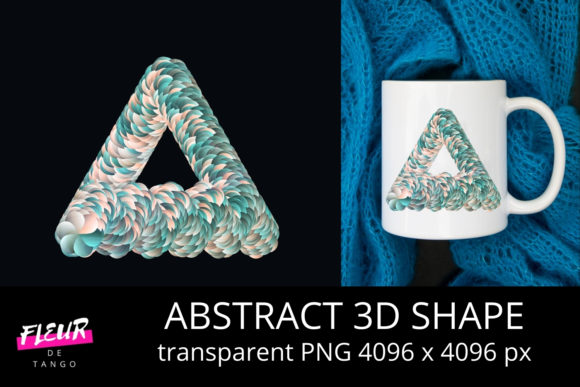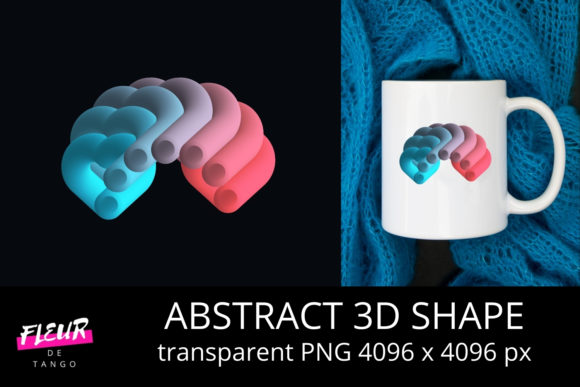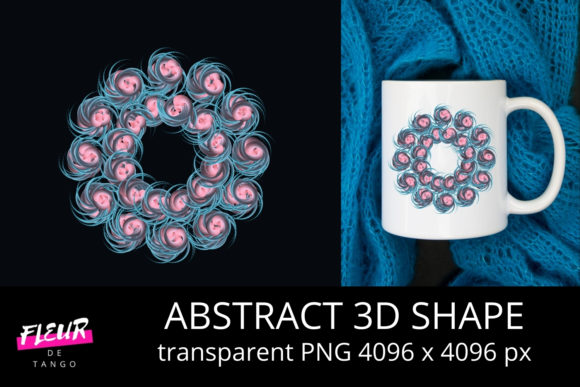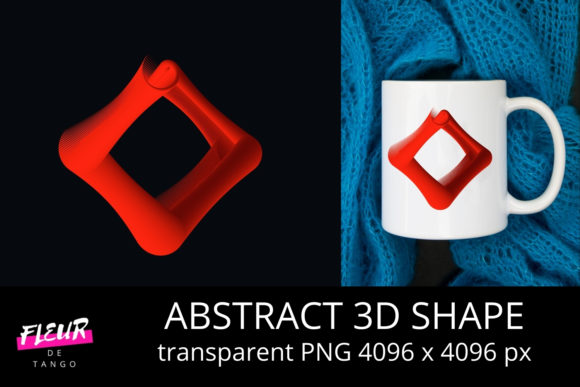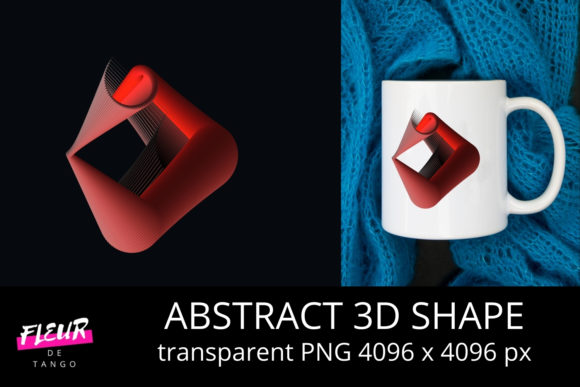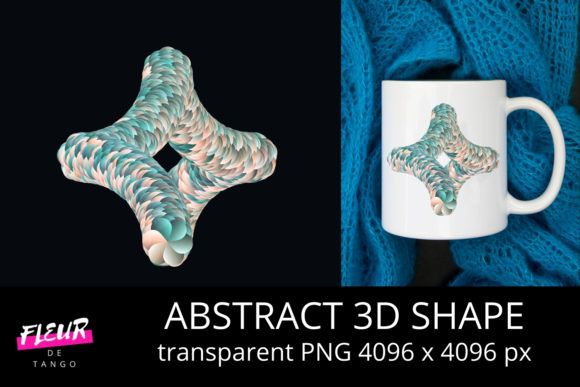
Abstract 3D Shape V.19: A Comprehensive Evaluation for Designers
In the rapidly evolving landscape of digital design, finding high-quality assets that bridge the gap between artistic expression and technical utility is a constant challenge. Abstract 3D Shape V.19 represents a specific entry in this category, offering designers a distinct visual element to incorporate into their workflows. This evaluation aims to provide an objective analysis of what this asset entails, its practical applications, and whether it aligns with your specific project requirements.
The core offering described for Abstract 3D Shape V.19 is a single transparent .PNG file. While the quantity may seem modest compared to large bundles, the value often lies in the quality and versatility of the individual asset. The absence of watermarks on downloaded files is a critical feature for professional use, ensuring that the final output remains clean and ready for commercial distribution without additional editing steps.
Understanding the Asset: What Is Abstract 3D Shape V.19?
To understand where this shape fits in your design ecosystem, it is necessary to define its characteristics. As the name suggests, this is a three-dimensional rendering of an abstract form. Unlike photorealistic objects or specific icons, abstract shapes rely on geometry, lighting, and texture to create visual interest without representing a tangible real-world object.
The format provided is a standard .PNG (Portable Network Graphics) file. This choice of format is significant because PNG supports transparency. This means the background of the image is removed, allowing the 3D shape to sit seamlessly over any color, gradient, or photograph you choose. For designers working in software like Adobe Photoshop, Illustrator, or Canva, this transparency is essential for layering effects and creating composite images.
Practical Applications and Use Cases
The primary appeal of Abstract 3D Shape V.19 lies in its adaptability across various mediums. Because it is a standalone graphic element, it serves as a versatile component for both print and digital media. Below are the most common scenarios where this asset proves useful:
- Apparel Design: T-shirts and hoodies often benefit from modern, geometric graphics. The 3D effect adds depth to flat fabric prints, making the design pop without requiring complex screen printing techniques for every detail.
- Promotional Products: Mugs, phone cases, and tote bags frequently utilize abstract art to convey a sense of sophistication or creativity. The transparent background allows the shape to be resized and repositioned perfectly on curved surfaces or small product mockups.
- Card Creation: Whether for wedding invitations, business cards, or holiday greetings, a subtle 3D accent can elevate a standard layout. It draws the eye without overwhelming text or other graphical elements.
- Home Decor: Digital downloads for wall art, posters, and canvas prints often rely on abstract forms. The lack of a defined subject matter makes these shapes universally appealing, suitable for modern, minimalist, or eclectic interior styles.
Benefits of Using Pre-Made 3D Assets
For many creators, purchasing or downloading pre-made assets like Abstract 3D Shape V.19 offers significant advantages over creating similar content from scratch. The most immediate benefit is efficiency. Rendering high-quality 3D models requires specialized software, knowledge of lighting rigs, and considerable processing time. Acquiring a finished .PNG file bypasses these technical hurdles, allowing designers to focus on composition and layout.
Additionally, the professional quality of the render ensures consistency. Creating 3D shapes manually can result in artifacts, poor lighting, or inconsistent textures if the user lacks advanced modeling skills. A pre-rendered asset guarantees a polished look that meets industry standards. Furthermore, the inclusion of a watermark-free file simplifies the licensing process, removing legal ambiguities regarding commercial usage.
Considerations and Potential Tradeoffs
While the benefits are clear, it is important to approach this asset with realistic expectations. The description specifies that the download includes only one transparent .PNG file. This presents a tradeoff regarding flexibility. If a designer needs to change the color of the shape, adjust the lighting angle, or modify the geometry after purchase, they cannot do so with a rasterized .PNG file.
Raster images are resolution-dependent. If the original file was not rendered at a sufficiently high resolution, scaling the shape up for large-format printing (such as billboards or large banners) may result in pixelation. Therefore, before integrating Abstract 3D Shape V.19 into a project, users should verify the pixel dimensions and DPI (dots per inch) of the source file to ensure it meets the resolution requirements of their intended output.
Another consideration is uniqueness. Since this is a downloadable asset available to others, there is a possibility that the same image could appear in multiple projects. For brands seeking a completely unique identity, relying solely on generic stock assets might dilute their brand recognition. In such cases, using the shape as a base for further customization or combining it with original typography and illustrations is recommended.
Situations Where This Asset Is a Strong Fit
Abstract 3D Shape V.19 is an ideal solution for designers who need quick, high-quality accents for short-term projects or client work. It is particularly well-suited for:
- Small Business Owners: Entrepreneurs creating their own marketing materials, social media graphics, or merchandise often lack the budget for custom 3D modeling services. This asset provides a premium look at a fraction of the cost.
- Graphic Design Students: Learners practicing layout and composition can use the shape to experiment with negative space, layering, and blending modes without worrying about the technicalities of 3D rendering.
- Event Planners: Those designing invitations or signage for events can quickly incorporate modern aesthetics by adding this shape to their templates.
When Alternatives May Be Worth Considering
Despite its utility, Abstract 3D Shape V.19 may not be the best choice for every scenario. If your project requires vector scalability (infinite resizing without quality loss), a .PNG file is insufficient. In such cases, looking for SVG or AI formats would be more appropriate.
Similarly, if your goal is to create a cohesive brand identity that relies on proprietary imagery, a single generic shape might feel too impersonal. Designers needing a full suite of coordinated 3D elements might prefer purchasing a bundle that offers multiple variations in color, style, and perspective rather than a single isolated shape.
Decision-Making Insights
Determining whether to select Abstract 3D Shape V.19 ultimately depends on your specific workflow and end goals. Ask yourself the following questions to guide your decision:
- Do I need a single accent piece or a full collection? If you just need one element to complete a layout, this single file is efficient. If you need a series of related items, a bundle might offer better value.
- What is my target resolution? Ensure the file size is large enough for your intended print or web display.
- Do I require editable vectors? If you need to manipulate the shape's geometry, a raster PNG will limit your options.
- Is the aesthetic right for my audience? Abstract 3D shapes generally convey a modern, tech-forward, or creative vibe. Ensure this matches the tone of your project.
By weighing these factors, you can determine if this asset is a strategic addition to your toolkit. For those seeking a clean, watermark-free, and professionally rendered 3D element for cards, apparel, or decor, Abstract 3D Shape V.19 offers a practical solution that balances quality with ease of use.