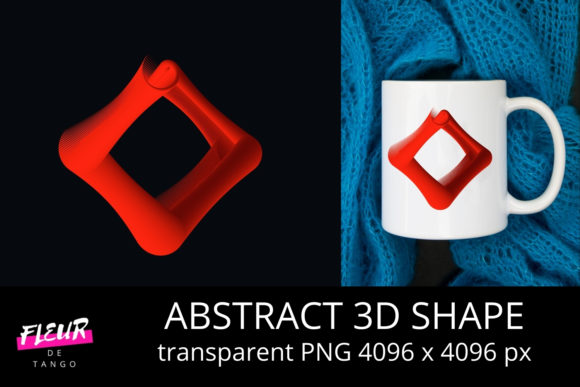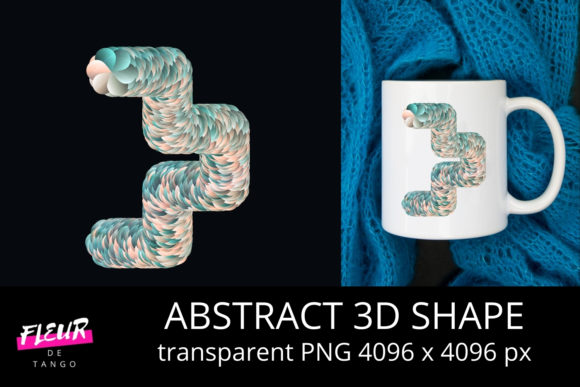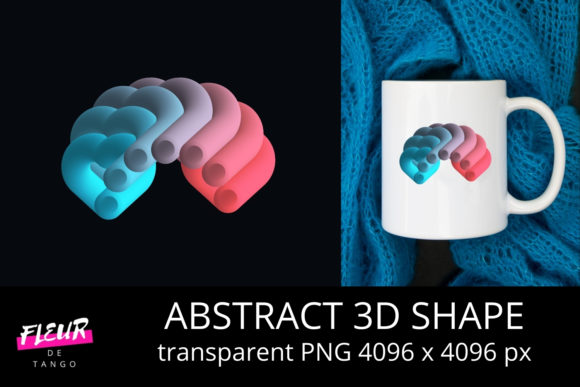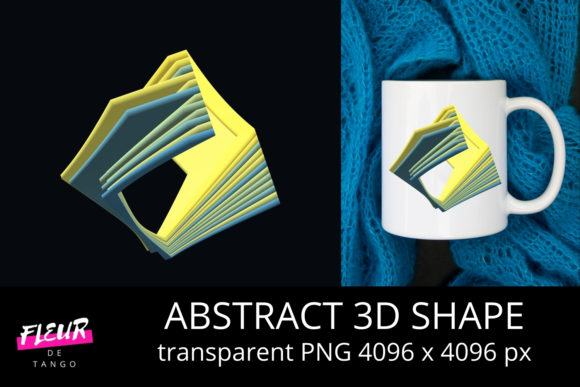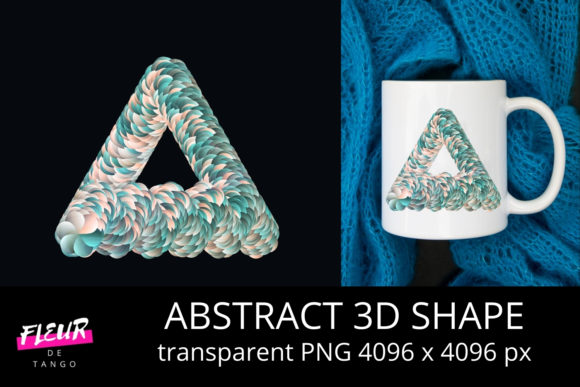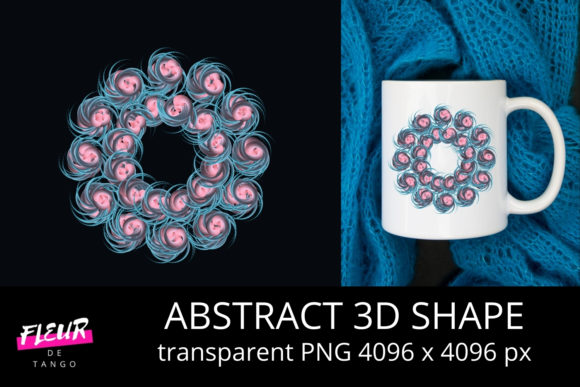
Abstract 3D Shape Clipart Vol. 41: Elevate Your Designs Without the Common Pitfalls
If you are looking to add depth and modern flair to your creative projects, Abstract 3D Shape Clipart Vol. 41 offers a versatile toolkit that bridges the gap between simple graphics and complex illustrations. Whether you are a seasoned graphic designer or a small business owner creating social media assets, understanding exactly what this collection provides is the first step toward a successful outcome. The promise of high-quality, transparent PNG files means you can integrate these elements seamlessly into t-shirts, greeting cards, mugs, and digital decor without fighting against white backgrounds or low-resolution artifacts.
However, acquiring the right asset is only half the battle. Many creators rush into downloading clipart packages without verifying specific technical details, leading to frustration during the design phase. By anticipating common errors and understanding the unique value of this volume, you can ensure your final products look professional and polished.
Why Transparency Matters in Digital Assets
One of the most critical features of Abstract 3D Shape Clipart Vol. 41 is the inclusion of transparent .PNG files. In the world of digital design, the background is often just as important as the subject. When you download a file with a solid white or colored background, you are forced to spend valuable time using masking tools or erasers to isolate the shape. This process is not only tedious but often results in jagged edges or lost detail, especially when dealing with complex 3D shadows and gradients.
A common mistake beginners make is assuming all "clipart" comes ready for use. Some collections require extensive editing before they can be placed on a dark-colored shirt or a vibrant flyer. With this specific volume, you receive a clean slate. The transparency allows you to layer shapes over any texture or color instantly. For instance, if you are designing a t-shirt with a neon background, a standard JPEG would leave a visible box around your 3D shape, ruining the aesthetic. A transparent PNG ensures the shape floats naturally, maintaining the integrity of your design.
The Hidden Cost of Watermarked Downloads
Perhaps the most significant pitfall in the stock image market is the prevalence of watermarks. You might encounter a free version or a preview that looks perfect, only to find a large logo stamped across the center once you attempt to use it commercially. This is where evaluating the product description becomes vital. Abstract 3D Shape Clipart Vol. 41 explicitly states that downloaded files will not include watermarks.
Ignoring this distinction can lead to legal issues and wasted budget. Using an unlicensed or watermarked image in a commercial project—such as a printed mug or a marketing campaign—can result in copyright strikes or the need to rebrand your entire product line. Professionals know that paying for a clean, watermark-free package upfront saves money in the long run by eliminating the risk of litigation and the cost of recreating assets from scratch. Always verify that the final deliverable matches the preview exactly before committing to a purchase.
Understanding File Formats and Usability
When discussing formats, it is easy to get bogged down in technical jargon, but the choice between .PNG and other formats like .JPG or .SVG has real-world implications for your workflow. While vector files (.SVG) offer infinite scalability, they do not always capture the specific lighting and shadow effects present in 3D renders as effectively as high-resolution raster images. Conversely, .JPG files are compressed and often struggle with transparency.
The decision to provide a single transparent .PNG file per item in this volume is strategic. It prioritizes ease of use and visual fidelity. If you are printing on physical merchandise like mugs or decorations, you need high pixel density to ensure the image doesn't pixelate when scaled up. A transparent PNG preserves the anti-aliasing (the smooth edges) created by the 3D rendering software. A common error occurs when users try to convert these files to vectors later; the conversion often fails to replicate the subtle gradients of the original 3D shape, resulting in a flat, artificial look.
Instead of trying to force a format change, work within the strengths of the provided file. Use the transparency to blend the 3D shapes into your composition, allowing them to interact with the environment of your design rather than sitting on top of it as a sticker.
Selecting the Right Volume for Your Project
With hundreds of volumes available in the clipart market, choosing Abstract 3D Shape Clipart Vol. 41 requires a clear understanding of your specific needs. Are you building a cohesive brand identity? Or are you creating one-off designs for a holiday sale? This volume is particularly suited for projects requiring a modern, geometric aesthetic. However, it is crucial to check the consistency of the style before buying.
A frequent oversight is mixing different art styles within a single project. If your existing brand uses flat, two-dimensional icons, suddenly introducing a highly rendered, glossy 3D shape from this collection might create a disjointed visual experience. To avoid this, review the entire set of shapes included in Vol. 41. Do they share the same lighting direction? Do they have a consistent level of glossiness? Ensuring internal consistency within the collection will save you hours of post-production editing to match the styles manually.
Maximizing Creative Potential
Once you have secured your files, the possibilities expand far beyond simple decoration. These abstract shapes are powerful communication tools. In web design, they can serve as dynamic dividers or background textures that guide the user's eye. For educators, they can illustrate complex concepts in presentations, making data more engaging for students. Entrepreneurs can use them to differentiate their packaging from competitors who rely on generic photography.
Consider the versatility of the transparent .PNG format again. Because there is no background, you can apply filters, adjust opacity, or combine multiple shapes to create entirely new compositions. You are not limited to using the shapes as they appear; you can rotate them, stretch them, or group them to form patterns. This flexibility turns a simple download into a custom design studio.
Final Checklist Before You Start
To ensure your experience with Abstract 3D Shape Clipart Vol. 41 is seamless, take a moment to verify the following before beginning your project:
- Resolution Check: Ensure your canvas size matches the resolution of the PNG files to prevent blurriness in print outputs.
- Color Profile: Confirm whether your files are in RGB (for screens) or CMYK (for print). Most PNGs are RGB, so you may need to convert them carefully if you are sending them to a professional printer.
- License Terms: Even with watermark-free files, always read the license agreement to understand how many end-products you are allowed to create.
- Software Compatibility: Verify that your design software supports alpha channels (transparency) correctly, which is standard in Photoshop, Illustrator, Canva, and GIMP.
By approaching your design process with these considerations in mind, you transform a simple download into a professional asset. Avoiding the traps of poor file formats, hidden watermarks, and stylistic mismatches ensures that your final output—from a custom t-shirt to a corporate presentation—is nothing short of exceptional. Abstract 3D Shape Clipart Vol. 41 provides the raw material; your attention to detail provides the masterpiece.