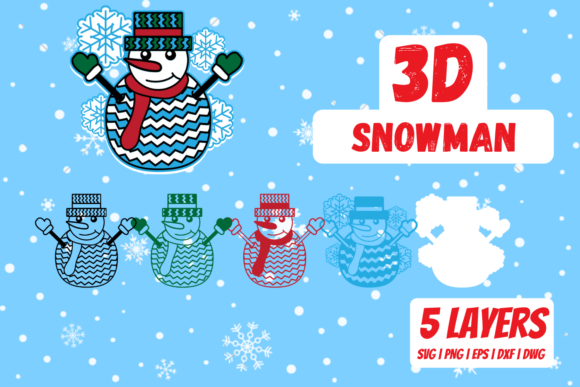
3D Snowman: A Comprehensive Guide to Multi-Format Digital Assets for Holiday Crafting
The winter season brings a surge in creative projects, ranging from home decorations to personalized gifts. Among the most enduring symbols of this time of year is the snowman. While traditional 2D cutouts have long been popular, the demand for depth and dimension has shifted the focus toward 3D Snowman designs. These digital assets are not merely images; they are complex files designed to be transformed into tangible objects using modern cutting machines and software. For hobbyists and professionals alike, understanding the specific formats available—SVG, DXF, PNG, DWG, and EPS—is crucial for achieving the desired result.
Understanding the Distinct Nature of 3D Snowman Designs
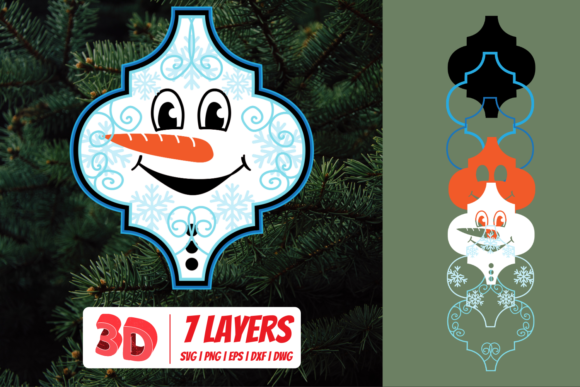
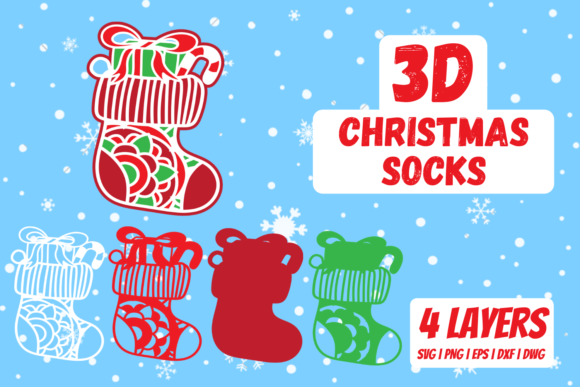
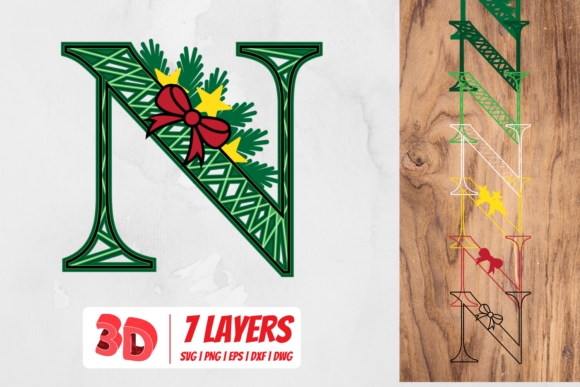
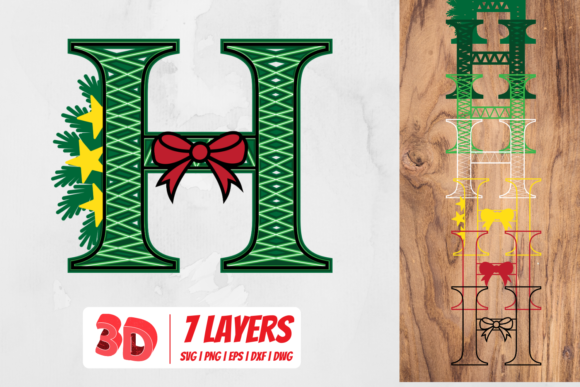
A standard flat image or a basic vector file often lacks the structural information required to create a three-dimensional object. The 3D Snowman concept represents a shift from simple silhouette cutting to layered construction. Unlike a single-layer cut that produces a flat shape, a true 3D design involves multiple layers, precise alignment guides, and sometimes specific scoring lines that allow the material to fold or stack. This distinction is vital when evaluating whether a download meets your project needs.
The primary advantage of these specialized files lies in their versatility across different crafting mediums. Whether you are working with cardstock, foam board, wood veneer, or vinyl, the ability to manipulate the depth of your creation adds a professional touch that flat designs cannot match. However, realizing this potential requires more than just a cutting machine; it demands the correct file format to communicate the necessary geometric data to your software and hardware.
File Format Analysis: Choosing the Right Tool for the Job
The success of any 3D project often hinges on the compatibility between the downloaded file and the software you use. The comprehensive package typically includes a zipped folder containing multiple formats, each serving a specific purpose within the workflow. Understanding the strengths and limitations of SVG, DXF, PNG, DWG, and EPS will help you avoid common pitfalls during the design process.
SVG: The Standard for Modern Cutting Software
The Scalable Vector Graphics (SVG) format is widely considered the gold standard for hobbyist cutting machines. Its popularity stems from its native support in cloud-based and desktop applications like Cricut Design Space, Silhouette Designer Edition, Make the Cut (MTC), Sure Cuts A Lot (SCAL), and Brother Scan and Cut Canvas. When you download an 3D Snowman in SVG, you are receiving a file that retains layer information, color coding, and path data without losing quality upon scaling.
- Cricut Design Space: Ideal for users who prefer a streamlined, web-friendly interface. The SVG ensures that all layers of the 3D snowman separate correctly for assembly.
- Silhouette Studio (Designer Edition): Offers advanced editing tools that allow for custom adjustments to the 3D layers before cutting.
- Make the Cut & SCAL: Powerful third-party options that provide robust handling of complex multi-layer files, essential for intricate 3D models.
DXF: Accessibility for Basic Users
While SVG is dominant in the premium software market, the Drawing Exchange Format (DXF) remains a critical alternative for those using entry-level equipment. Specifically, the 3D Snowman DXF file is optimized for Silhouette Basic Edition. It is important to note that the Basic Edition of many software suites has limited capabilities regarding layer management compared to the Designer versions. Therefore, a DXF file is often structured to be simpler, ensuring that even users with restricted software access can still produce high-quality results. It strips away some of the proprietary metadata found in SVG but retains the essential vector paths needed for cutting.
EPS and Professional Vector Workflows
For designers who work in professional environments, the Encapsulated PostScript (EPS) format is indispensable. This legacy vector format is fully compatible with industry-standard software such as CorelDraw, Inkscape, and Adobe Illustrator. If you plan to modify the 3D Snowman design significantly—perhaps adding custom text, adjusting the scale for massive wall art, or integrating it into a larger branding campaign—an EPS file offers the highest level of editability. Unlike raster images, EPS files remain crisp at any size, making them perfect for large-format printing or detailed vector manipulation.
PNG: Visualizing the Final Product
Not every step of the crafting process requires a cutting file. The Portable Network Graphics (PNG) included in the download serves a different function. As a photo file with a transparent background at 300 DPI, the PNG is ideal for visualization, mockups, and direct printing. You might use this file to create a preview of how the finished 3D Snowman will look before committing to expensive materials. Additionally, if you do not own a cutting machine, the PNG allows you to print the design on a standard inkjet printer for paper crafts, though it will lack the precision of the vector cuts.
DWG: Bridging Digital and Physical Manufacturing
Less common in hobbyist circles but essential for precision manufacturing, the Drawing Web Graphics (DWG) format is used primarily by CAD (Computer-Aided Design) software. Including DWG in the 3D Snowman package suggests a focus on accuracy suitable for laser cutting or CNC routing. This format allows engineers and serious makers to import the design into technical drawing programs, ensuring that dimensions are exact. If your project involves rigid materials like acrylic or metal where tolerances matter, the DWG file provides the necessary blueprint data.
Comparative Evaluation: When to Choose 3D Over Alternatives
When exploring holiday decor options, consumers often weigh the effort of creating a 3D Snowman against purchasing pre-made items or using simpler 2D templates. To make an informed decision, one must evaluate the tradeoffs involved in terms of time, cost, and aesthetic outcome.
Depth vs. Simplicity
The most obvious difference between a 3D snowman and a flat cutout is the visual impact. A 3D design creates shadows and perspective, making the figure appear to pop off the surface. This is particularly effective for window displays or tabletop centerpieces. However, this benefit comes with increased complexity. Assembling a 3D model requires patience, adhesive skills, and precise alignment. In contrast, a 2D option is faster to execute but may feel less impressive in a well-lit room.
Material Versatility
Another key factor is the range of materials supported. Because the 3D Snowman files are provided in multiple formats (SVG, DXF, EPS, DWG), they can be adapted to almost any substrate. You can cut the layers from felt for a soft plush look, heavy cardstock for a sturdy structure, or thin wood for a rustic aesthetic. Flat images, particularly low-resolution ones, are generally limited to paper printing. The availability of vector formats ensures that the design scales perfectly regardless of the material thickness or texture.
Software Compatibility and Learning Curve
Perhaps the most significant barrier to entry for 3D projects is the software requirement. While the included SVG files work seamlessly with user-friendly apps like Cricut Design Space, other formats like DWG or EPS may require steeper learning curves if you are unfamiliar with CAD or professional graphic design tools. If you are a beginner looking for a quick weekend project, the SVG format combined with a basic cutter is likely the best fit. Conversely, if you are a seasoned designer looking to customize the snowman's hat or scarf, the EPS and DWG options provide the freedom to tweak every detail.
Decision Factors and Best-Fit Scenarios
Selecting the right resource depends heavily on your specific goals and the tools at your disposal. Here are practical scenarios to guide your choice:
- For Classroom or Community Projects: If you are leading a group activity, the SVG format is usually the safest bet. Most schools and community centers utilize Cricut or Silhouette machines with standard software licenses. The ease of importing the file reduces setup time, allowing more time for the actual crafting.
- For Large-Scale Decorations: If you intend to build a life-sized snowman or a large wall installation, the DWG or EPS formats are superior. They ensure that the design maintains its proportions and structural integrity when scaled up significantly, which is not always guaranteed with lower-tier vector exports.
- For Quick Personal Gifts: If you need a gift ready quickly and have a Silhouette machine running the Basic Edition, the DXF file is the optimal choice. It bypasses the need for expensive software upgrades while delivering the clean cuts necessary for a neat assembly.
- For Digital Marketing or Mockups: Before producing physical items, use the PNG file. Its transparent background allows you to place the 3D snowman onto photos of your living room or store shelves to visualize the final product without spending money on materials.
Conclusion on Resource Selection
The decision to invest time in a 3D Snowman project is ultimately about balancing creativity with practicality. The inclusion of diverse file formats in a single download addresses the fragmentation often seen in the crafting industry. Instead of being locked into a single ecosystem, users can choose the tool that best fits their skill level and equipment. Whether you are utilizing the intuitive nature of Cricut Design Space or the precision of Adobe Illustrator, having access to SVG, DXF, PNG, DWG, and EPS ensures that the 3D Snowman remains a flexible and accessible asset for winter crafting. By carefully evaluating your software environment and the intended material, you can select the format that maximizes the potential of your design while minimizing unnecessary complications.