The Impact of Letter Logo O 3D and Business Logos Using 3D Letters in Modern Branding
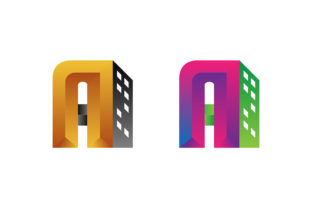
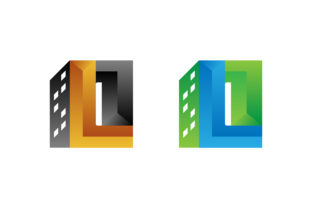
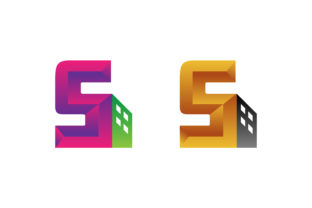
In a digital landscape saturated with flat, two-dimensional graphics, standing out has never been more critical. This is where the evolution of visual identity truly shines, particularly through the use of Letter Logo O 3D designs and broader applications of business logos using 3D letters. These aren't just aesthetic choices; they represent a strategic shift in how brands communicate depth, texture, and presence to their audience.
Moving beyond the simplicity of vector outlines, three-dimensional typography invites the viewer into a tangible space. It transforms a static symbol into an object that feels like it could be held, touched, or walked around. Whether you are a startup looking for a memorable mark or an established enterprise refreshing its image, understanding the nuances of this design approach is essential for creating a lasting impression.
Why Depth Matters in Visual Identity
The human brain processes three-dimensional information differently than flat imagery. When we see a Letter Logo O 3D, our eyes instinctively look for cues about light, shadow, and perspective. This triggers a psychological response that suggests solidity and reliability. A logo with depth implies that the brand behind it is substantial, robust, and forward-thinking.
Consider the difference between a simple circle and a sphere. The former is a shape; the latter is an object. By applying this logic to typography, designers can turn a standard letter "O" into a dynamic element that commands attention. This technique is not merely about adding shadows; it involves simulating real-world physics, such as reflections, gradients, and volumetric lighting, to create a sense of realism.
This approach is particularly effective in industries where trust and innovation are paramount. Financial institutions, tech startups, and luxury goods manufacturers often lean into 3D lettering to convey precision and high value. The tactile quality of a 3D logo suggests that the company pays attention to detail, a sentiment that translates well to consumer perception of product quality.
The Psychology of Tactile Design
Even though a screen cannot physically touch a logo, 3D rendering tricks the brain into perceiving texture. A glossy finish on a business logo using 3D letters might evoke the feeling of polished metal or glass, while a matte, brushed texture can suggest durability and craftsmanship. These subtle cues influence emotional responses before a customer even reads the company name.
- Glossy Finishes: Often associated with technology, modernity, and premium pricing. They reflect light, drawing the eye immediately to the center of the design.
- Matte and Brushed Textures: Convey stability, professionalism, and a grounded approach. Ideal for construction firms or consulting agencies.
- Metallic Effects: Gold, silver, and chrome finishes instantly elevate the perceived value of a brand, making them popular for luxury sectors.
When executed correctly, these textures do more than decorate; they tell a story about the brand's character without using a single word.
Practical Applications Across Industries
The versatility of 3D lettering allows it to fit seamlessly into various workflows and project types. However, the specific implementation depends heavily on the medium and the target audience. A Letter Logo O 3D that works perfectly on a mobile app icon might need significant adjustment to remain legible on a large-scale billboard.
In the realm of web design and user interfaces, 3D elements add a layer of interactivity. Hover effects that make letters appear to rotate or expand can enhance user engagement. For example, a gaming platform might use a bold, metallic Letter Logo O 3D that seems to glow when a cursor approaches, signaling energy and excitement.
For physical merchandise, the advantages are even more pronounced. Imagine a clothing brand that uses a 3D-rendered logo to emboss fabric or mold plastic onto packaging. The transition from digital design to physical product becomes seamless when the original artwork already accounts for depth and dimensionality. This consistency strengthens brand recognition across all touchpoints.
- Social Media Profiles: High-resolution 3D avatars stand out in crowded feeds, increasing click-through rates and profile visits.
Advertising Campaigns: Billboards and video ads benefit from the motion potential of 3D logos. Rotating text or shifting light sources can capture attention in a way flat graphics simply cannot.
Product Packaging: 3D mockups allow designers to visualize how a logo will look on a bottle, box, or label before manufacturing begins, reducing costly errors.
Technical Considerations and Best Practices
While the visual impact is undeniable, creating effective 3D logos requires a balance between artistic flair and technical constraints. One of the most common pitfalls is over-complication. If a business logo using 3D letters is too intricate, it loses its scalability. A logo must remain recognizable whether it is displayed on a massive storefront sign or shrunk down to a favicon size.
Designers must carefully manage the complexity of lighting and shading. Too many highlights and shadows can create visual noise, making the logo difficult to read at a glance. The key is subtlety. The goal is to suggest volume, not to overwhelm the viewer with hyper-realistic details that distract from the core message.
Another critical factor is file format compatibility. While 3D renders are stunning, they are often raster images (like PNG or JPEG) which can pixelate if resized. To ensure maximum flexibility, it is best practice to create a primary 3D version for marketing materials while maintaining a simplified, flat vector version for everyday use. This hybrid approach ensures the brand retains its unique identity without sacrificing functionality.
Choosing the Right Style for Your Brand
Selecting the right type of 3D effect is a decision that should align with your brand's voice. Are you aiming for futuristic and sleek? Then a clean, metallic Letter Logo O 3D with sharp edges and cool tones might be the perfect fit. Do you want to convey warmth and approachability? Perhaps a softer, rounded font with warm, earthy gradients would serve better.
Typography choice is equally important. Some fonts render well in 3D, while others lose their distinctiveness. Thick, sans-serif fonts generally hold up better under heavy extrusion and lighting effects because they have enough surface area to display texture. Thin, delicate scripts can sometimes become illegible when given depth, so they require a more delicate hand.
Color theory also plays a pivotal role. In 3D, colors interact with simulated light sources. A bright red might appear darker in shadow areas, while a pale blue could wash out completely under strong lighting. Testing different color palettes under various virtual lighting conditions is a necessary step in the design process to ensure the logo remains vibrant and consistent.
The Future of 3D Typography
As technology advances, the line between digital and physical reality continues to blur. Augmented Reality (AR) and Virtual Reality (VR) are opening new doors for how brands present themselves. Imagine scanning a QR code with your phone and seeing a Letter Logo O 3D pop up in your living room, floating in mid-air, rotating as you walk around it. This level of immersion is becoming increasingly feasible and is set to redefine brand interactions.
Web technologies like WebGL are also allowing for real-time 3D rendering directly in browsers without the need for plugins. This means that a website could feature an interactive 3D logo that responds to mouse movements, offering a dynamic experience that keeps users engaged longer. Brands that adopt these technologies early will likely gain a competitive edge by appearing more innovative and tech-savvy.
However, trends come and go. The enduring appeal of 3D lies in its ability to convey substance. Even as styles evolve from hyper-realism to stylized, low-poly aesthetics, the fundamental principle remains: depth creates connection. By investing in high-quality 3D design, businesses are not just chasing a trend; they are building a visual language that speaks to the modern consumer's desire for authenticity and quality.
In conclusion, the decision to utilize Letter Logo O 3D elements or a full suite of business logos using 3D letters is a powerful statement. It signals a commitment to excellence and a willingness to embrace new ways of communicating. When balanced with sound design principles and strategic thinking, 3D typography becomes more than just a graphic; it becomes a cornerstone of a brand's identity, capable of resonating deeply with audiences across diverse platforms and mediums.