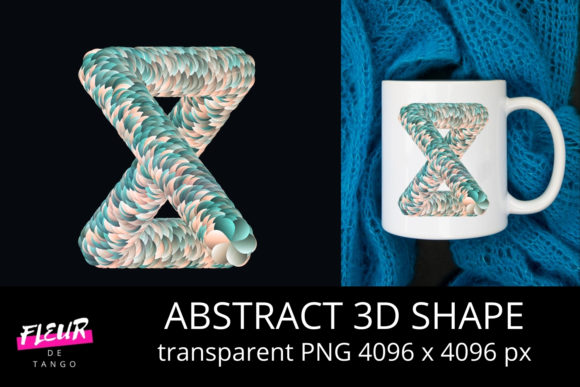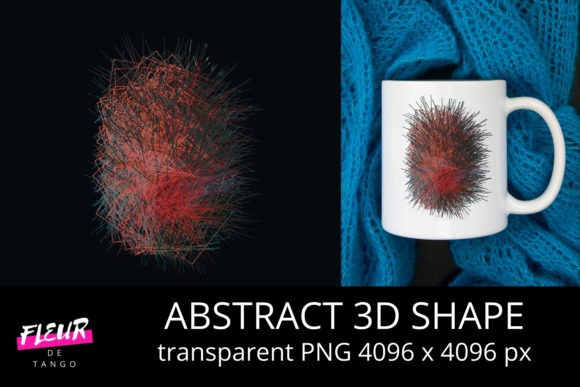
Evaluating Abstract 3D Shape V.13 for Commercial and Personal Design Projects
In the rapidly evolving landscape of digital design, creators often search for assets that offer both aesthetic versatility and technical flexibility. Abstract 3D Shape V.13 has emerged as a specific resource within this category, designed to provide high-quality graphical elements for a wide array of applications. For designers, marketers, and hobbyists alike, understanding the specific utility of this asset is crucial before integrating it into a workflow. This evaluation explores the characteristics of the file, its practical applications, and the factors one should consider when deciding if it aligns with their project requirements.
Understanding the Asset: Format and Delivery
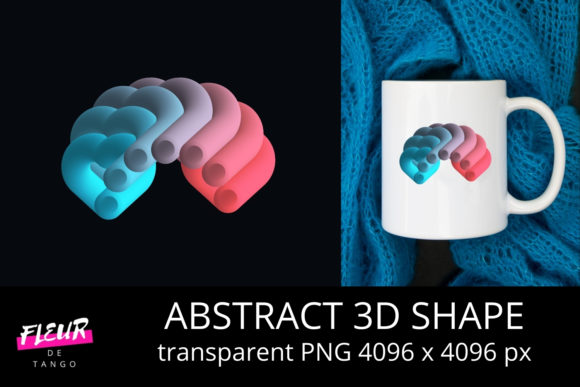
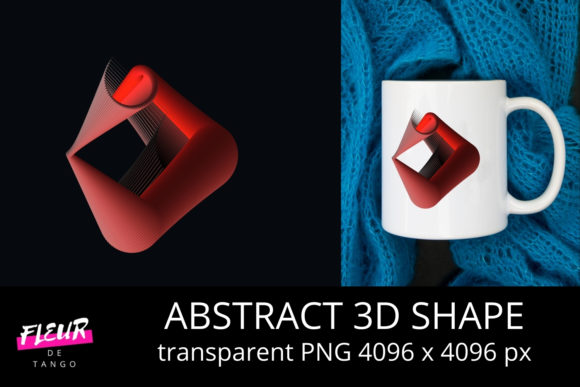
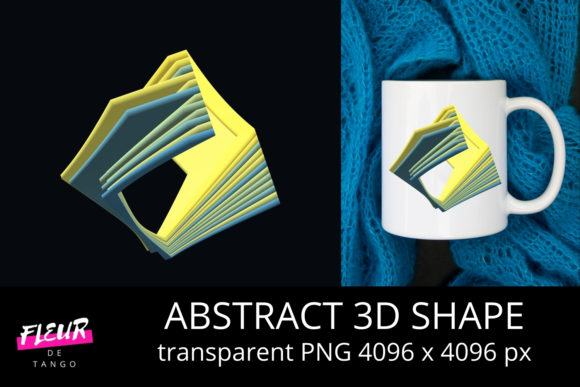
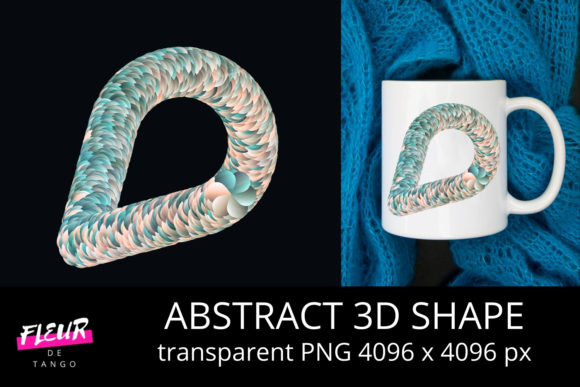
The core value proposition of Abstract 3D Shape V.13 lies in its delivery format. Upon download, users receive a single transparent .PNG file. In the context of digital graphics, the PNG (Portable Network Graphics) format is widely recognized for its ability to support transparency without the loss of image quality. Unlike JPEG formats, which force a solid background color upon export, a transparent PNG allows the subject matter to sit cleanly atop any other layer, whether that be a website background, a product mockup, or a printed surface.
The specification of a "V.13" designation suggests this is part of an iterative series or a versioned update. Versioning in digital assets typically implies refinements based on user feedback, rendering improvements, or updates to the underlying geometry. For the consumer, this indicates that the shape has likely been optimized over time to ensure better compatibility with modern design software and printing standards. The absence of watermarks in the downloaded files is a critical feature; many stock assets include visible branding that must be manually removed, a process that can degrade quality. A clean, watermark-free file ensures immediate usability in professional contexts.
Primary Applications and Use Cases
The versatility of abstract 3D shapes makes them particularly valuable for projects requiring visual interest without overwhelming the viewer. The specific mention of cards, t-shirts, mugs, and decorations highlights the dual nature of this asset: it functions well in both digital and physical mediums.
- Apparel and Merchandise: When designing for t-shirts or mugs, the resolution and edge clarity of the 3D shape are paramount. A transparent PNG allows the design to conform to the curvature of a mug or the fabric texture of a shirt without a distracting boxy border. The abstract nature of the shape provides a modern, trendy aesthetic that appeals to current fashion sensibilities.
- Greeting Cards and Stationery: For card design, the ability to layer the shape over textured paper backgrounds or intricate patterns is essential. The transparency ensures that the shape integrates seamlessly, acting as a focal point rather than a barrier between the message and the design.
- Digital Decorations and UI Elements: Beyond physical goods, these shapes serve as excellent decorative elements for web design, social media posts, and presentation slides. They add depth and dimension to flat layouts, helping to capture user attention in a crowded digital environment.
Benefits of Using Abstract 3D Shape V.13
Selecting this asset offers several distinct advantages for creators looking to streamline their production process. The primary benefit is efficiency. By starting with a pre-rendered, high-quality 3D element, designers save significant time that would otherwise be spent modeling, texturing, and lighting a scene from scratch in software like Blender or Cinema 4D.
Furthermore, the simplicity of receiving a single file reduces organizational overhead. There are no complex folder structures or multiple render passes to manage. This streamlined approach is ideal for small business owners or freelance designers who need to produce high-volume content quickly. The lack of watermarks further enhances the professional appearance of the final output, ensuring that the client or customer sees only the intended design.
Tradeoffs and Considerations
While the convenience of Abstract 3D Shape V.13 is clear, there are tradeoffs to consider regarding customization and scope. Because the asset is delivered as a rasterized image (a grid of pixels), it lacks the editability of a vector file or a source 3D model. If a designer needs to change the angle of the shape, alter the lighting, or modify the specific geometry, they cannot do so directly with the PNG file. The design is fixed in the perspective and style chosen by the creator of the asset.
Additionally, the resolution of the file dictates its scalability. While PNGs support high resolutions, enlarging the image beyond its native pixel dimensions will result in blurriness or pixelation. Users must verify that the provided file size meets the requirements for large-format printing, such as banners or billboards. If the project demands extreme zooming or massive scaling, a vector alternative might be necessary.
Situational Fit: When to Choose This Asset
This asset is a strong fit for projects where speed and visual impact are prioritized over deep customization. It is particularly suitable for:
- Small Batch Production: Creators making limited runs of merchandise where investing in custom 3D modeling is not cost-effective.
- Template-Based Workflows: Designers using templates for social media or marketing materials who need consistent, plug-and-play elements.
- Conceptual Mockups: Professionals creating quick proofs or presentations to demonstrate a concept to stakeholders before committing to a full production run.
If your goal is to create a unique, proprietary design where the specific geometry must match a brand's identity perfectly, this abstract shape may be too generic. However, if the goal is to add a touch of modern, three-dimensional flair to a layout, it serves that purpose effectively.
Alternatives Worth Considering
For those whose needs extend beyond the capabilities of a static PNG, other options exist. Vector-based 3D shapes (SVG or AI formats) offer infinite scalability and the ability to manipulate colors and paths post-download. These are preferable for print projects requiring exact color matching or extreme resizing.
Alternatively, purchasing access to a 3D source file (such as .OBJ or .BLEND) allows for complete control over the rendering process. This path requires more technical skill and software knowledge but results in a truly unique asset that cannot be found elsewhere. If the project involves a long-term brand identity where consistency and uniqueness are non-negotiable, investing in a source file or commissioning custom work may yield better long-term results than using a pre-made shape.
Conclusion: Making the Decision
The decision to use Abstract 3D Shape V.13 ultimately depends on the specific constraints and goals of the project. It represents a balanced solution for designers seeking high-quality, ready-to-use graphics without the complexity of 3D modeling. The inclusion of a transparent, watermark-free PNG file addresses the most common pain points in digital asset integration.
By weighing the benefits of immediate usability against the limitations of a static format, creators can determine if this asset fits their workflow. For those needing a versatile, aesthetically pleasing element for cards, apparel, or digital decor, this option provides a reliable foundation. However, for projects demanding total geometric control or vector scalability, exploring alternative formats remains a prudent step. Evaluating these factors ensures that the chosen tool supports the creative vision rather than hindering it.