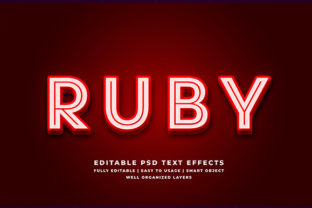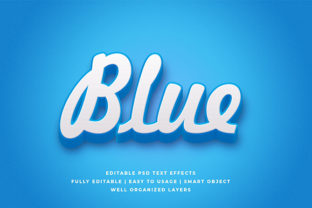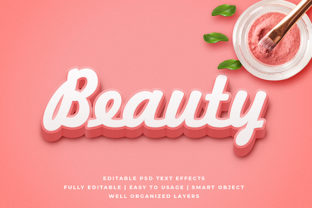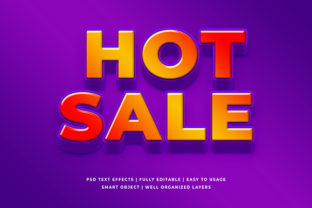
Elevating Brand Identity: The Strategic Value of the 3D Logo or Text Effect Mockup
In an era where digital attention spans are shrinking and visual saturation is at an all-time high, the way brands present their identity has become a critical differentiator. Professionals, creators, entrepreneurs, and marketers are no longer satisfied with flat, two-dimensional presentations. They require depth, realism, and a tangible sense of presence to capture the audience's gaze. This shift in consumer expectation has given rise to sophisticated design tools, most notably the 3D Logo or Text Effect Mockup. These assets are not merely decorative; they represent a fundamental evolution in how creative professionals approach branding, prototyping, and client communication.
The Evolution from Flat Design to Immersive Reality
The transition from static graphics to dynamic, three-dimensional representations marks a significant milestone in the creative industry. Historically, designers relied on basic overlays to simulate depth, often resulting in inconsistent lighting and unrealistic shadows. Today, the demand for photorealism has driven the development of complex PSD files that offer a level of control previously unattainable without expensive 3D rendering software. A 3D Logo or Text Effect Mockup serves as a bridge between conceptual design and real-world application, allowing users to visualize their work in a context that feels authentic and polished.
This evolution aligns with broader trends in technology and lifestyle. As augmented reality (AR) and virtual environments become more integrated into daily life, consumers are becoming accustomed to interacting with objects that possess volume and texture. When a brand presents its logo in a flat format against a plain background, it risks appearing outdated. Conversely, utilizing a mockup that features isolated shadows, customizable textures, and precise lighting creates a narrative. It suggests that the brand exists in a physical space, adding a layer of credibility and professionalism that resonates deeply with modern audiences.
Deconstructing the Workflow: Why Control Matters
For freelancers and agencies, efficiency is paramount. The modern workflow demands tools that are both powerful and flexible. The 3D Logo or Text Effect Mockup addresses this need by offering a streamlined process that eliminates the guesswork often associated with manual rendering. Unlike generic templates that force a specific aesthetic, high-quality mockups provide a modular experience where every element can be manipulated to suit the project's unique requirements.
Consider the typical scenario where a client requests a presentation that matches their specific brand guidelines. In the past, this might have required hours of manual adjustment to match colors, adjust lighting angles, or change background textures. With a tool designed with Smart objects, these adjustments happen instantly. Users can easily edit the core design while the surrounding environment automatically updates to reflect realistic reflections, shadows, and perspective changes. This capability ensures that the final output is not just a picture, but a cohesive scene that tells a story.
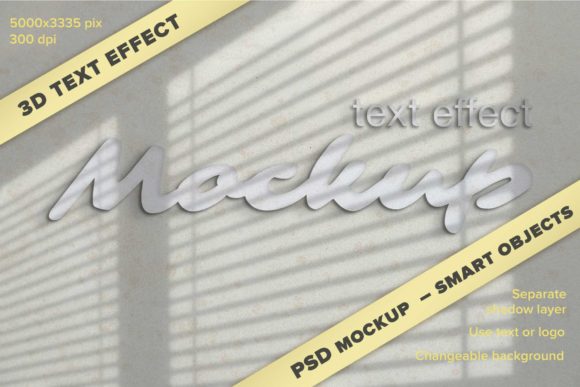
The separation of objects and shadows is a particularly vital feature for professional workflows. By isolating shadows, designers gain the ability to fine-tune the mood of the image without altering the geometry of the logo itself. If a shadow is too harsh, it can be softened; if the lighting needs to be warmer, the color temperature can be adjusted independently. This granular control allows for the creation of custom scenes that distract nothing from the design, ensuring the focus remains squarely on the brand identity.
Technical Specifications and Practical Application
To understand the true potential of this tool, one must look at the technical specifications that underpin its functionality. A standard, high-resolution 3D Logo or Text Effect Mockup typically comes in dimensions of 5,000 x 3,335 pixels with a resolution of 300 Pixels per inch. This high fidelity is essential for producing print-ready materials, large-format banners, or crisp web graphics that maintain clarity across various devices.
The asset package usually includes a comprehensive suite of resources designed to maximize versatility:
- A single PSD file: This serves as the main workspace, featuring neatly organized layers that make navigation intuitive even for complex compositions.
- Five PNG shadow overlays: These allow for the rapid customization of lighting conditions, enabling designers to simulate natural sunlight, studio lighting, or dramatic shadows.
- Five PNG background textures: Whether a client prefers a minimalist concrete surface, a sleek glass finish, or a textured paper look, having pre-made options accelerates the decision-making process.
- A JPG user's manual: Clear instructions ensure that even those less familiar with advanced Photoshop techniques can utilize the full power of the template.
These components collectively support a "changeable background" and "customizable color options," empowering users to create original content that stands out in a crowded marketplace. For instance, a tech startup might opt for a cool-toned, metallic background to convey innovation, while a boutique fashion label might choose a warm, textured backdrop to evoke luxury. The flexibility inherent in the 3D Logo or Text Effect Mockup supports this diversity of expression.
Meeting Changing Market Expectations
The relevance of such tools extends beyond mere aesthetics; it touches upon the psychological aspects of marketing. Consumers today are savvy. They can distinguish between a hastily assembled graphic and a professionally rendered presentation. The difference often lies in the details—the way light interacts with a surface, the softness of a drop shadow, or the texture of the background. These subtle cues signal quality and attention to detail.
Furthermore, the rise of remote work and digital collaboration has changed how creatives present their ideas. Clients often review proposals remotely, meaning the visual impact of a presentation is crucial. A static image might fail to convey the weight and presence of a brand, but a fully realized 3D mockup can transport the viewer into the designer's vision. This immersive quality helps secure buy-in from stakeholders who may not have a design background but can appreciate the realism of the final product.
Additionally, the trend towards minimalism in design does not mean simplicity at the expense of quality. On the contrary, modern minimalism relies on precision. The "pre-made minimalistic scene" mentioned in the mockup description is a strategic choice. It removes clutter, ensuring that the eye is drawn immediately to the logo or text effect. This aligns with the current preference for clean interfaces and uncluttered user experiences, proving that the tool is forward-looking and aligned with contemporary design philosophies.
Empowering Creators Across Industries
The utility of the 3D Logo or Text Effect Mockup spans across various sectors. Marketers use these visuals for social media campaigns, where engaging imagery drives higher engagement rates. Entrepreneurs utilize them for pitch decks to investors, presenting their venture as established and professional. Freelancers leverage them to deliver premium value to clients, justifying higher rates through superior presentation quality.
Even for enthusiasts, the ability to experiment with 3D effects provides a learning opportunity. By manipulating shadows, changing colors, and swapping backgrounds, users develop a deeper understanding of lighting physics and composition. This hands-on experience fosters creativity and builds skills that are transferable to other areas of design and production.
In conclusion, the adoption of advanced mockup tools represents a commitment to excellence in the creative process. It is not simply about making a logo look good; it is about creating a complete visual ecosystem that reflects the brand's values and aspirations. With features like smart object integration, isolated shadows, and high-resolution outputs, the 3D Logo or Text Effect Mockup stands as a testament to the evolving landscape of digital design. For professionals looking to stay ahead of the curve, integrating these tools into their workflow is not just an option—it is a necessity for delivering impactful, relevant, and memorable brand identities in a competitive world.
As we move further into a digital-first future, the line between the virtual and the physical will continue to blur. Tools that facilitate this transition, offering realism and flexibility, will remain indispensable assets for anyone dedicated to the art of branding. By embracing the capabilities of these sophisticated mockups, creators can ensure their work resonates with the depth and authenticity that modern audiences demand.